

Natural Farming & the Role of the Cow
What Is Natural Farming?
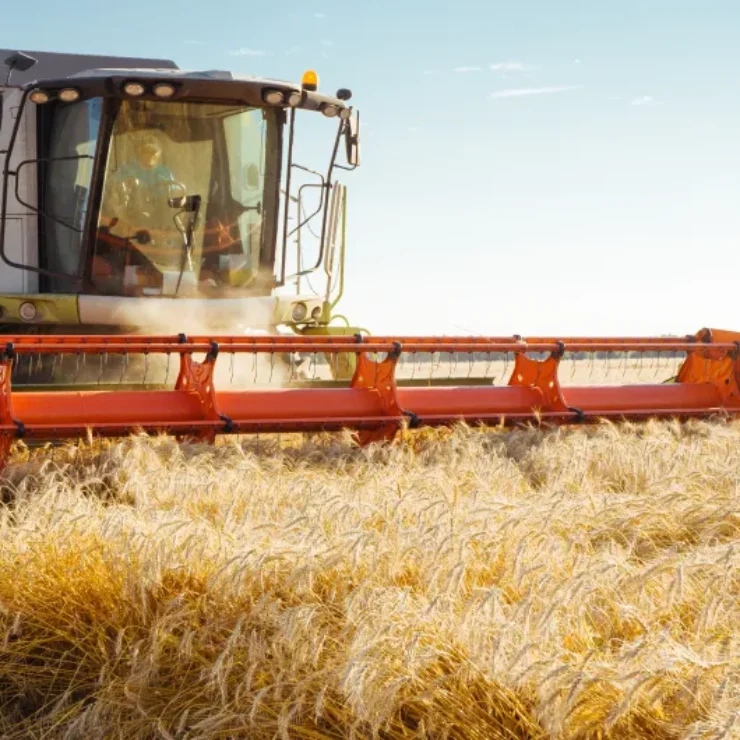
Natural Farming is an agricultural method that avoids synthetic fertilizers, pesticides, and intensive mechanical processes. Instead, it depends on:
- Living soil
- Beneficial microorganisms
- Indigenous seeds
- Biological pest control
- Crop diversity and ecological balance
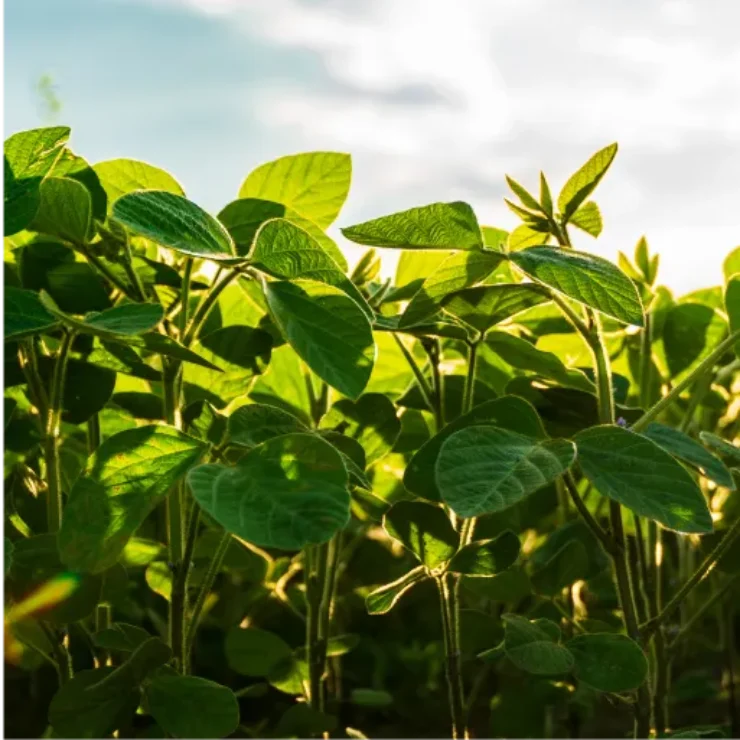
The idea is simple: the farm is a living ecosystem, and the farmer is a steward who nurtures the natural processes that sustain crop health.
Key Principles of Natural Farming
✅No synthetic chemicals
✅Minimal soil disturbance (no deep ploughing)
✅Mulching and ground cover
✅Indigenous microbial inputs
✅Water conservation practices
✅Local breeds of cattle and seeds
✅Farm self-sufficiency
Why Natural Farming Matters Today
Modern agriculture has heavily relied on chemical fertilizers, pesticides, and hybrid seeds. While this increased production in the short term, it led to:
- Soil degradation and loss of organic matter
- Water contamination
- Decline of beneficial insects and soil microbes
- Higher costs for farmers
- Rising health concerns related to chemical residues
- Declining nutritional quality of food
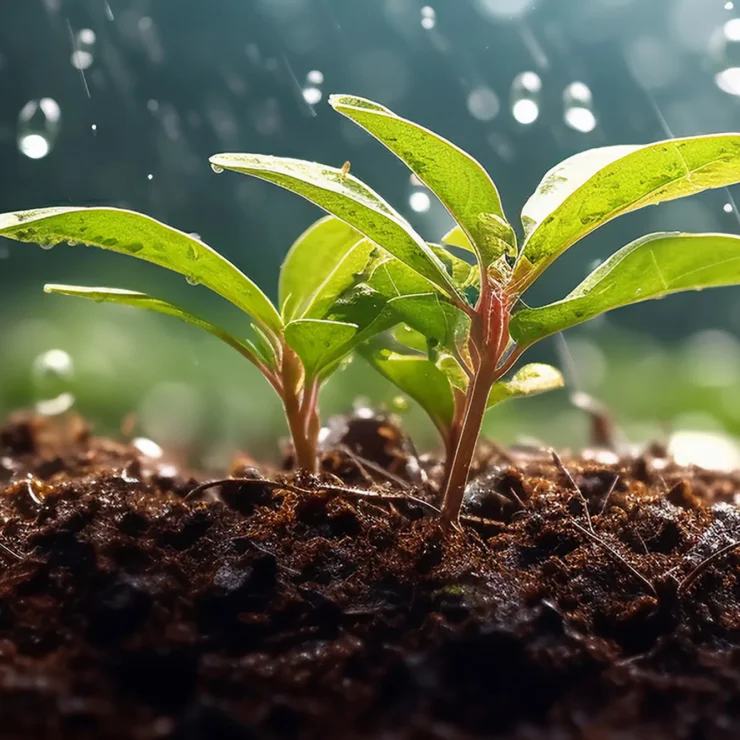
Natural Farming offers solutions to these problems by reviving soil fertility, improving water retention, increasing biodiversity, and lowering input costs.
The Central Role of the Cow in Natural Farming
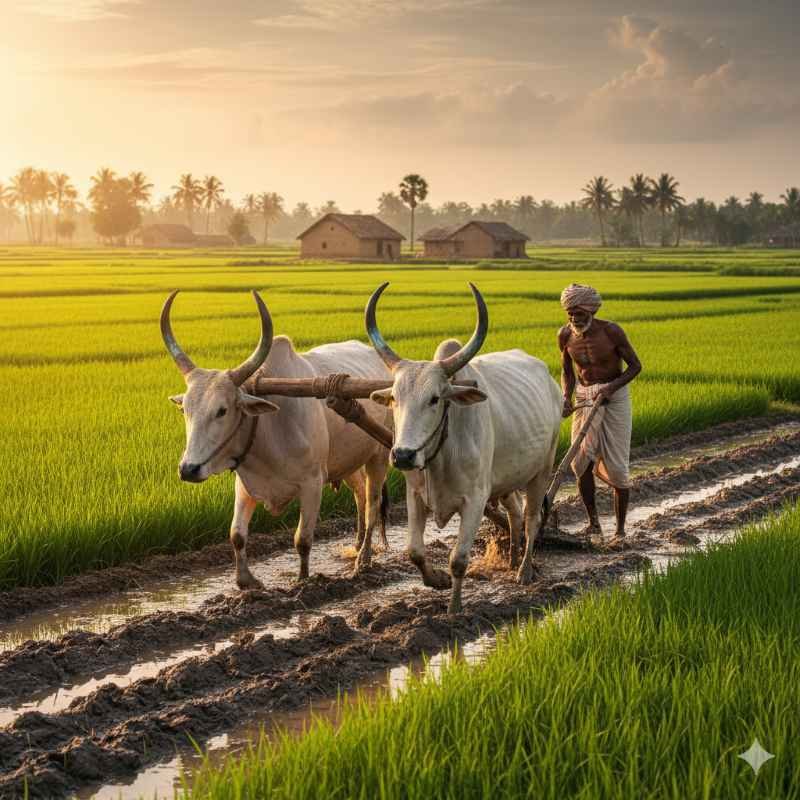
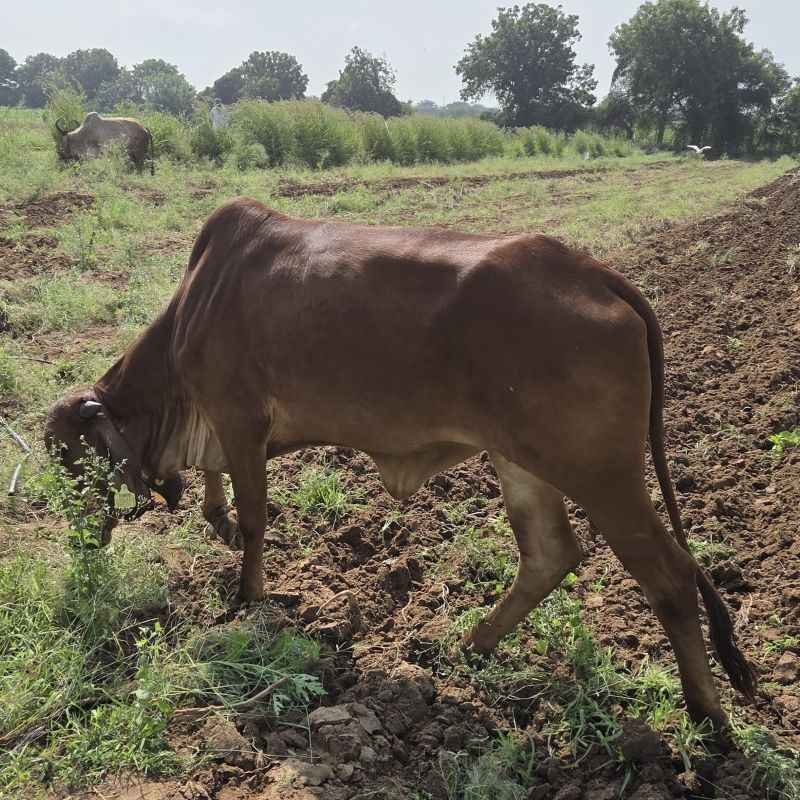
The indigenous cow (especially Indian breeds like Gir, Sahiwal, Tharparkar, Kankrej) is considered the foundation of natural farming systems.
Why?
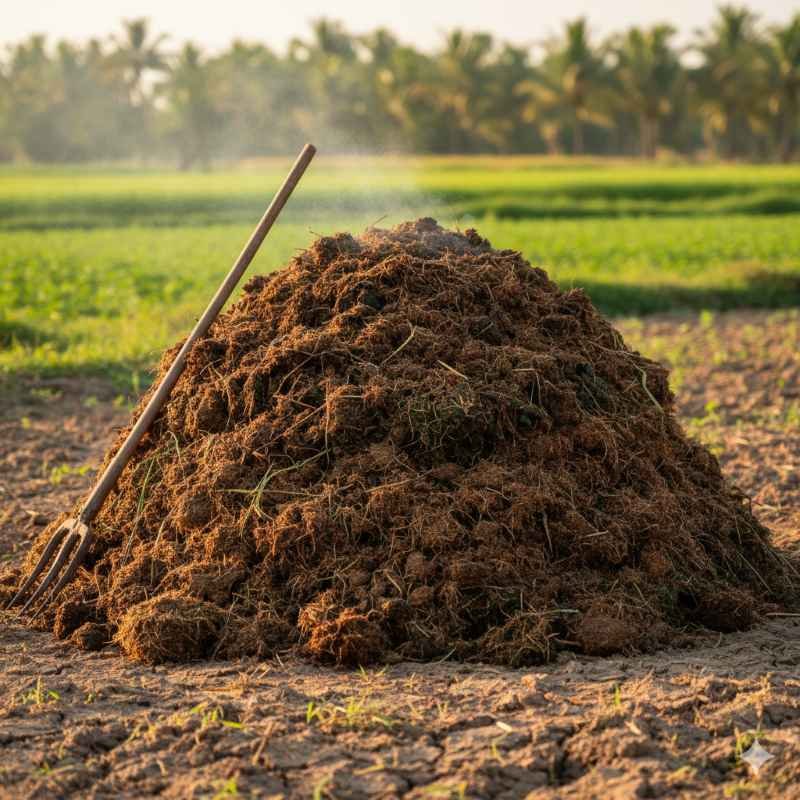
Because cow dung and cow urine contain:
Thousands of beneficial microorganisms
Growth-promoting enzymes
Nutrients essential for soil health
Anti-fungal and pest-repellent properties
In traditional Indian agriculture, cows have always been treated as biological factories of fertility.
Key Cow-Based Preparations in Natural Farming
(A) Jeevamrut / Jivamrit
A fermented mixture of:
Cow dung
Cow urine
Jaggery
Pulse flour
Soil from the bund
Water
Benefits:
Increases microbial activity
Converts soil nutrients into plant-available forms
Improves root growth
Boosts natural immunity of the crop
Jeevamrut acts as a probiotic for the soil.
(B) Beejamrut (Seed Treatment)
Made using cow urine, cow dung, lime, and soil.
Benefits:
Protects seeds from fungal and bacterial infections
Increases germination rate
Strengthens seedling resistance
It replaces chemical fungicides.
(C) Ghan Jeevamrut (Solid Form)
A dry version of Jeevamrut used for long-term nourishment.
Benefits:
Enhances soil structure
Improves moisture retention
Slow-release nutrients
Ideal for fields with limited water availability.
(D) Panchagavya
A blend of five cow-derived products:
Cow milk
Curd
Ghee
Cow urine
Cow dung
Benefits:
Serves as a plant growth enhancer
Boosts flowering and fruiting
Strengthens natural resistance
(E) Cow Urine as a Natural Pesticide
Cow urine has antimicrobial and pest-repellent properties.
Used in formulations like:
Agniastra
Brahmastra
Neemastra
These mixtures keep harmful pests under control without damaging the environment.
Scientific Basis for Cow-Centric Natural Farming
Modern research supports many traditional practices:
Cow dung
Contains beneficial bacteria like Azotobacter, Lactobacillus, Actinomycetes
Helps fix nitrogen in the soil
Improves soil microbial diversity
Cow urine
Contains nitrogen, sulphur, salts, urea, and micronutrients
Acts as a natural antiseptic
Enhances plant immunity
Soil Health
Cow-based inputs increase:
Soil organic carbon
Water-holding capacity
Microbial biomass carbon
Enzyme activities (urease, phosphatase, dehydrogenase)
This leads to long-term soil regeneration.
Benefits of Natural Farming with Cows
Environmental Benefits
Eliminates chemical pollution
Increases biodiversity
Restores soil fertility
Reduces water usage
Economic Benefits
Very low input cost
Higher profitability
Use of local resources reduces dependency on the market
Health Benefits
Food produced is chemical-free
Higher nutritional value
Safe for farmers and consumers
Social & Cultural Benefits
Revives sustainable rural traditions
Promotes indigenous cattle protection
Strengthens community-based farming systems
Challenges in Natural Farming
While beneficial, natural farming has certain challenges:
Initial transition period (soil recovery time)
Need for training and guidance
Availability of indigenous cows
Market linkage for natural products
Managing weeds without chemicals
With proper training and community support, these challenges can be overcome.
The Future of Cow-Based Natural Farming
As the world moves toward sustainable agriculture, cow-based natural farming offers a promising path:
Restores ecological balance
Ensures food security
Reduces carbon footprint
Supports rural livelihoods
Governments and organizations worldwide are promoting this approach as part of a sustainable food system.
Natural Farming and the cow share a deeply interconnected relationship rooted in ecology, tradition, and science.
By harnessing the natural power of cow-based inputs, farmers can regenerate soil, reduce dependency on chemicals, improve yields over time, and produce healthy, nutritious food.
Natural farming is not just a technique—it is a philosophy of harmony with nature, where the humble cow becomes a symbol of fertility, sustainability, and rural prosperity.